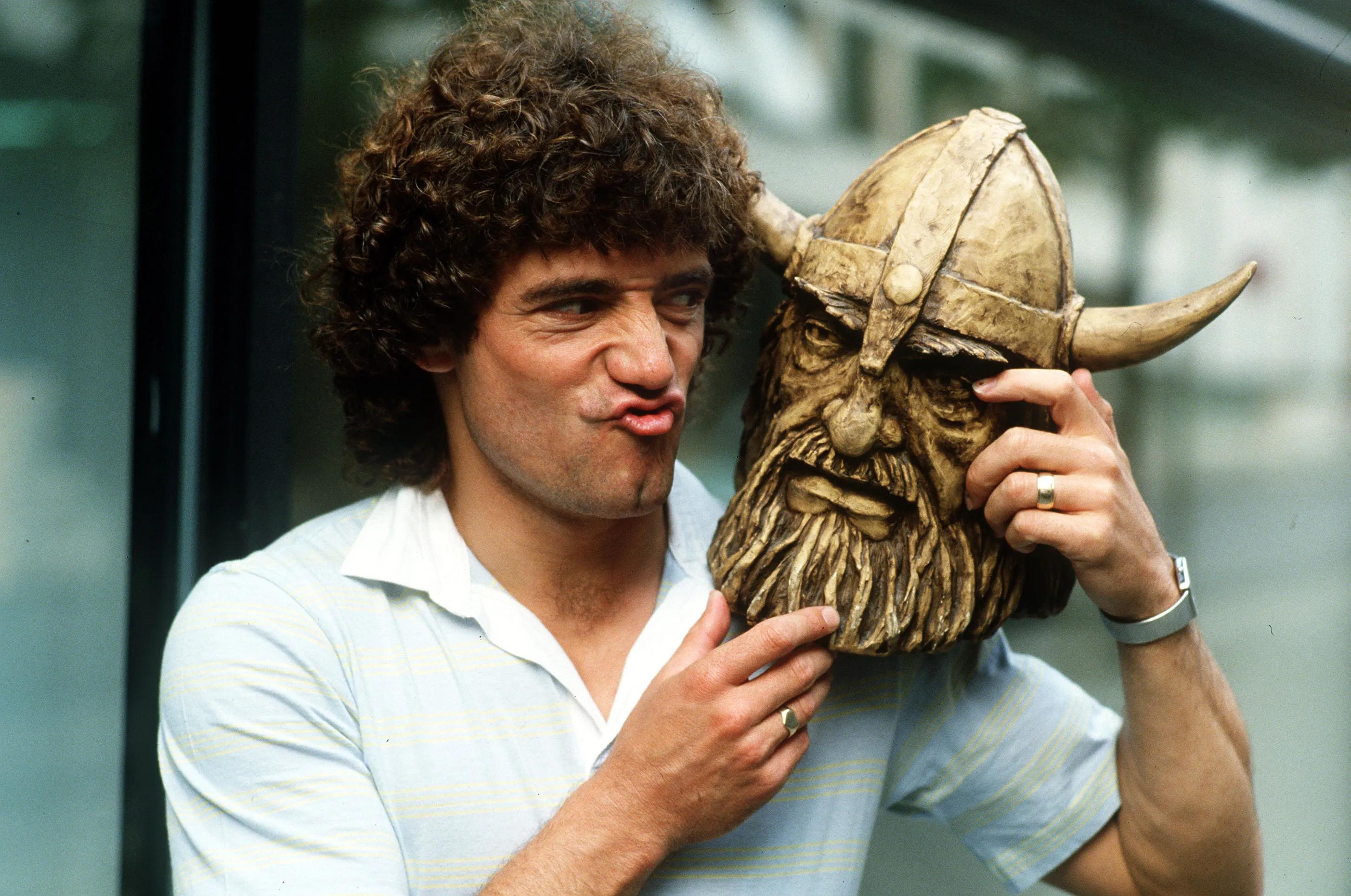
If you have ever wondered what it sounds like when an entire nation loses its collective mind, let me introduce you to Bjorge Lillelien. On September 9, 1981, this Norwegian commentator delivered what might be the greatest piece of broadcasting in football history after Norway beat England 2-1 in a World Cup qualifier in Oslo. In a breathless, almost delirious monologue, he invoked everyone from Margaret Thatcher to Lord Nelson, Winston Churchill, Henry Cooper, and Lady Diana, before delivering his legendary payoff in flawless English: "Your boys took a hell of a beating!" It remains iconic, and older English fans still wince at the memory.
That was the very first time Norway had defeated England, and the significance cannot be overstated. Jan Aage Fjortoft, the former Norway striker turned broadcaster, was 14 at the time and remembers the sheer disbelief. Seeing those top English players arrive in Norway was a huge deal, but actually winning? Nobody saw that coming. Norway were destined for the bottom of the qualifying group while England were heading to the finals in Spain. Yet Roger Albertsen and Hallvar Thoresen found a way past Ray Clemence, and the result resonated so deeply because English football was practically a religion in Norway.
Since 1969, Norwegian television had been broadcasting English top-flight matches every Saturday at four o'clock, a time Fjortoft describes as sacred. Everyone in Norway had a favorite English team, and the Norwegian game was essentially measured against the English standard: get the ball forward, knock it over the back four, charge into the box, and whip in crosses. It was the English blueprint, adopted and worshipped from afar.
No one absorbed that English football philosophy more thoroughly than Egil Olsen, who would go on to coach Norway in the 1990s. Fjortoft recalls that Olsen was profoundly shaped by English football through watching games and traveling to England on study trips. He even struck up a correspondence with Charles Reep, an English pioneer of performance analysis who had been crunching match statistics since the 1930s and had helped Stan Cullis guide Wolverhampton Wanderers to English titles in the early 1950s. Reep's data showed that seven of nine goals came from moves of three passes or fewer, and most goals originated from winning possession in the attacking quarter.
Olsen, a professor at the Norwegian University of Sports Science, blended Reep's attacking principles with a zonal defensive system and called it direct football. It was simple: push the ball forward quickly at all times. They were not a team that fussed about with elaborate passing sequences, but it worked magnificently. When World Cup qualifying for USA 1994 rolled around, Norway drew 1-1 at Wembley and then hosted England in Oslo on June 2, 1993, with Reep himself flown in as a guest of honor. Olsen's team beat Graham Taylor's England through goals from Oyvind Leonhardsen and Lars Bohinen, and Norway, with Fjortoft wearing the number nine, qualified for their first World Cup since 1938 while England stayed home.
The golden era continued through France 1998, and along the way, a wave of Norwegians made their mark on the Premier League, including Fjortoft at Swindon, Middlesbrough, and Barnsley. The decade closed with Ronny Johnsen, Henning Berg, and Ole Gunnar Solskjaer helping Manchester United win the treble in 1999.
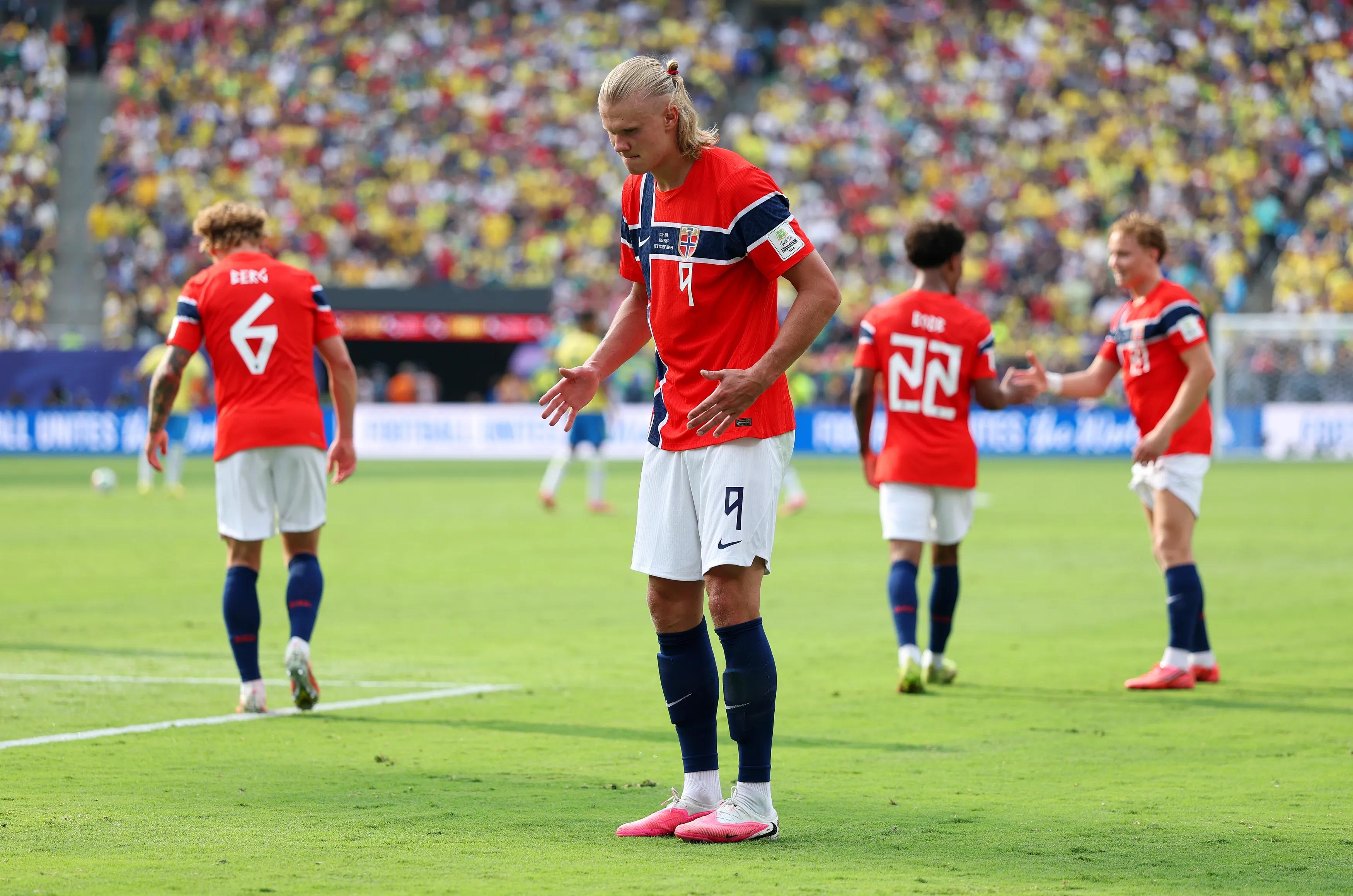
Fast forward to today, and much has changed, most notably the emergence of Erling Haaland, son of Fjortoft's 1994 teammate Alf-Inge, as a genuine global superstar. Yet Norway's love affair with English football remains as passionate as ever, with fans regularly traveling across the North Sea to attend matches. What is dramatically different is the style of play. Coach Stale Solbakken has instilled a technical, possession-based approach that would have been unthinkable under Olsen. Fjortoft still cannot believe that Norway had over 60 percent possession against Brazil. That is genuinely absurd for a nation that once built its identity on direct football.
Solbakken has also cultivated remarkable team spirit, building strong bonds with captain Martin Odegaard and talisman Haaland. Fjortoft visited the camp for a documentary and came away stunned by the atmosphere, which reminded him exactly of the camaraderie from his own playing days. Top players at massive clubs who genuinely love being together. That unity, combined with the talent of Odegaard and Haaland, represents Norway's greatest strength heading into Saturday's quarter-final against England in Miami. And unlike those famous upsets in 1981 and 1993, a Norwegian victory this time would shock absolutely nobody. Fjortoft calls it a dead-even 50/50 contest, and honestly, that assessment feels about right.