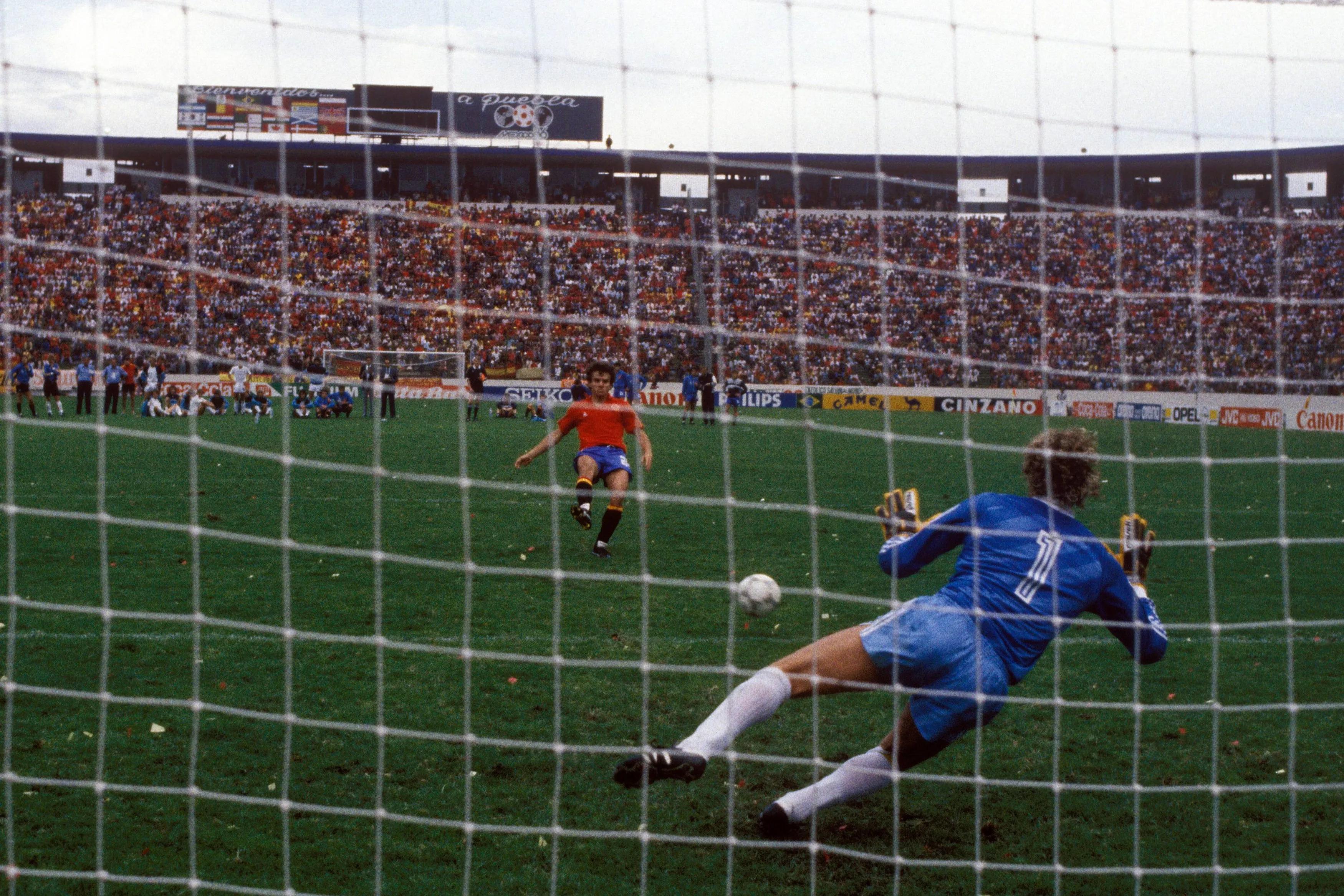
Forty years. That is how long it has been since Belgium broke Spanish hearts in a World Cup quarter-final penalty shootout in Puebla, Mexico, and now these two nations are about to collide again at the same stage of the 2026 tournament. The parallels are almost spooky, and nobody feels the weight of that history more than Eloy Olaya, the man who missed the only penalty in that fateful shoot-out after 120 minutes of tension ended 1-1.
Rewind to 1986. It was Eloy's one and only World Cup. He did not feature in the agonizing 1-0 loss to Brazil or the gritty 2-1 win over Northern Ireland. But when he came on as a half-time substitute for Emilio Butragueno in the group finale against Algeria, the 21-year-old from modest Sporting Gijon seized his moment. He set up Ramon Caldere's 68th-minute goal and then scored one himself moments later. Just being in the squad was overwhelming enough for him, a young kid from a small club, but making his debut, providing an assist, and scoring was pure fairy tale. It was the first time Spain had advanced beyond the first round since 1950, and Eloy ranks it among the most beautiful moments of his entire career, a day that was fantastic and wonderful in equal measure.
The Round of 16 pitted Spain against a Denmark side that had swept through the group stage demolishing everyone in their path. When Jesper Olsen converted a penalty in the 33rd minute, things looked grim. But Butragueno equalized just before the break and then proceeded to go nuclear in the second half, bagging three more goals and winning a penalty that Andoni Goikoetxea converted. The 5-1 thrashing that followed remains one of Spain's most iconic World Cup performances.
Then came the quarter-final against Belgium. Before kick-off, the Spanish players watched the Argentina-England match from their hotel, witnessing Diego Maradona's two most legendary goals: the infamous Hand of God and the sublime Goal of the Century. Eloy recalls being blown away, especially by the second, though initially they thought Maradona had headed the first one because camera angles were limited back then. The second goal, though, was simply breathtaking.
Confidence was surging after the Denmark demolition, and the Spanish squad boarded the bus for Puebla's Cuauhtemoc Stadium believing this was their moment. But Jan Ceulemans put Belgium ahead in the 35th minute, and it took a Juan Senor equalizer five minutes from time to force extra time. Looking back, Eloy admits they felt they had played poorly, but rewatching the match years later, he realized they had actually created plenty of chances and probably should have won before penalties.
When the shoot-out arrived, coach Miguel Munoz and assistant Vicente Miera asked for volunteers. Eloy stepped up without hesitation. As he walked toward the spot, he had made his decision. He read goalkeeper Jean-Marie Pfaff's body language and guessed the direction, but chose to trust his original plan and hammer the ball. The strike was poor. He felt angry initially, consoled by the thought that Belgium still had four more takers and surely someone would miss. Nobody did. Leo Van der Elst buried the fifth and final penalty, and Spain's dream was over. Eloy could barely sleep that night, consumed by a collective sadness because the squad had been so hopeful, so confident, so strong.
The support he received afterward, though, was extraordinary. A massive crowd greeted the team at the airport in Madrid, and some fans even sang that Spain stood with their dear friend Eloy. La Roja would suffer more quarter-final heartbreak in 1994 and 2002, the so-called curse only finally shattered when they lifted the trophy in 2010. Now, four decades on from the pain of Puebla, Spain have a chance to settle the score and punch their semi-final ticket.